
What is Ocean Freight?
Ocean freight is a type of transportation that involves shipping goods across oceans and seas using cargo ships or vessels. It is one of the most cost-effective and efficient modes of transportation for moving large volumes of goods over long distances. Ocean freight is particularly useful for transporting heavy, bulky, or non-perishable goods, such as machinery, vehicles, furniture, and raw materials.
The process of ocean freight involves several steps, including booking the shipment, loading the cargo onto the vessel, transporting it across the ocean, unloading the cargo at the destination port, and delivering it to the final destination. The shipment can be either a full container load (FCL) or less than a container load (LCL), depending on the volume of goods transported.
Calculate the cost of cargo delivery

Ocean freight is an essential component of global trade, providing an efficient and cost-effective means of transporting goods across oceans and seas. It is a complex process that requires careful planning and coordination, but it offers high cost, reliability, and capacity advantages.
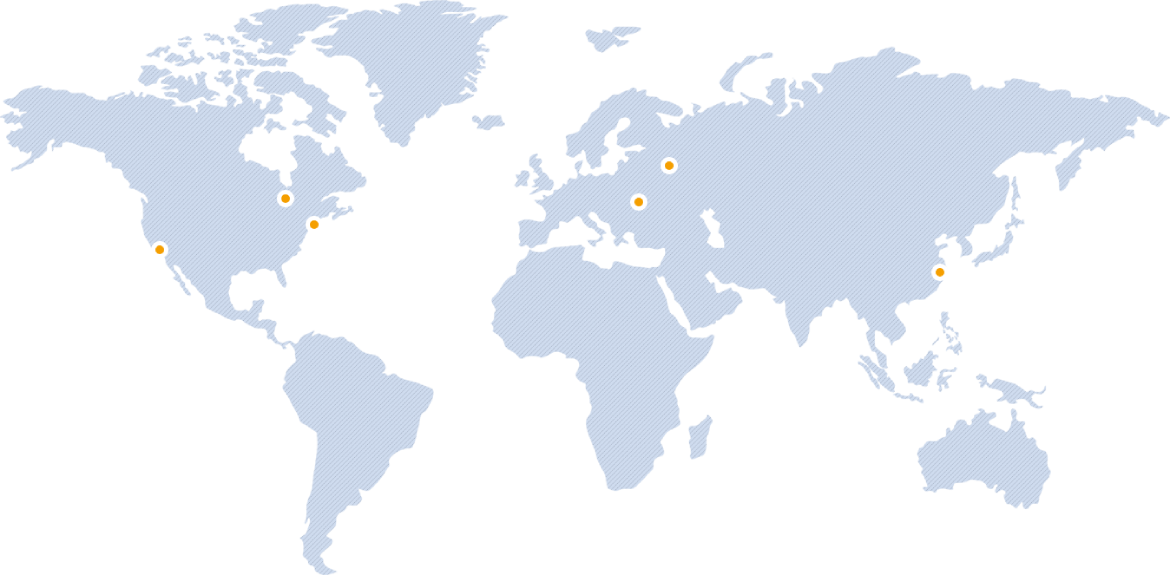
Our Shipping Map
How does ocean freight work?
Ocean freight is a complex process that involves several stages and parties, including shippers, freight forwarders, carriers, and consignees. The following is a step-by-step overview of how ocean freight works:
- Booking: The shipper or exporter contacts a freight forwarder or carrier to book the shipment. They provide the cargo details, such as the type, quantity, weight, and dimensions, as well as the origin and destination ports.
- Documentation: The freight forwarder or carrier prepares the necessary documentation, such as the bill of lading, commercial invoice, packing list, and export declaration. These documents provide information about the cargo and comply with the country’s regulations.
- Loading: The cargo is loaded onto the container or vessel at the port of origin. The freight forwarder or carrier arranges the loading process’s logistics, including the cargo’s transportation from the shipper’s warehouse to the port and the handling and stowage of the load on the vessel.
- Transit: The vessel sails across the ocean, following a predetermined route and schedule. The carrier is responsible for safe and timely transportation, including any necessary transshipment or cargo transfer to another vessel at a transshipment port.
- Unloading: The cargo is unloaded at the destination port, and the freight forwarder or carrier arranges for the customs clearance and inspection of the shipment. The shipment is then transported to the consignee’s warehouse or final destination.
- Delivery: The consignee receives the cargo and verifies its condition and quantity. The consignee may be responsible for paying any import duties, taxes, or fees, depending on the terms of the shipment.

Throughout the process, various parties, including the shipper, freight forwarder, carrier, and consignee, communicate and coordinate to ensure the safe and efficient transportation of the cargo. Any issues or delays are addressed through contingency plans and communication channels.
Advantages of ocean freight
Ocean freight has several advantages over other modes of transportation, including:
- Cost-effective: Ocean freight is one of the most cost-effective ways to transport large volumes of goods over long distances. It is often cheaper than air or road transportation, especially for bulky, heavy, or non-perishable goods.
- Capacity: Ocean freight vessels have a large capacity, allowing for transporting large volumes of goods in a single shipment.
- Reliability: Ocean freight is a reliable mode of transportation with fixed schedules and routes for liner shipping services.
- Flexibility: Ocean freight offers a range of services to meet the needs of different shipments, including full container load (FCL), less than container load (LCL), and charter shipping. This allows shippers to choose the most suitable option for their cargo.
- Security: Ocean freight vessels are equipped with security measures to protect the cargo from theft, damage, and piracy. The bill of lading and other documentation also provides a legal framework for protecting the load.
- Global reach: Ocean freight is a worldwide mode of transportation, allowing businesses to transport goods to almost any part of the world. This provides access to new markets and opportunities for growth.

Ocean freight is essential to global trade, offering high cost, capacity, reliability, and flexibility advantages. Its eco-friendliness and security measures make it an increasingly popular option for businesses seeking sustainable and secure transportation solutions.
What are the downsides of ocean freight?
Despite its many advantages, ocean freight has some downsides that must be considered. These include:
- Time: Ocean freight is slower than air or road transportation, as vessels need to travel long distances across oceans and seas.
- Dependence on the weather: Ocean freight is subject to weather conditions, such as storms, which can cause delays or cancellations of vessels.
- Infrastructure limitations: Ocean freight requires ports and terminals for loading and unloading cargo, which may be limited in certain regions.
- Potential for damage: Ocean freight involves cargo handling by multiple parties, which increases the risk of damage or loss of goods.
- Customs clearance: Ocean freight involves compliance with customs regulations, which can be complex and time-consuming.
Ocean freight has several downsides when choosing a transportation mode for your cargo. While it offers many advantages in terms of cost, capacity, and global reach, it also has limitations regarding speed, infrastructure, and potential for damage. By weighing these factors, businesses can decide whether ocean freight is the best option for their needs.
Global Unity Logistics is proud to offer shipping freight services to our clients. We have a well-established network of ocean carriers to provide our clients with the best possible rates and transit times. We also offer fast ocean shipping from China to the USA. We can help you find the most efficient solutions, no matter where you’re shipping from.
OUR POPULAR DESTINATIONS:
- from 1 m³ or 100 kg
- from 25 days
- on request
- door-to-door
- from 1 m³ or 100 kg
- from 27 days
- on request
- door-to-door
- from 1 m³ or 100 kg
- from 30 days
- on request
- door-to-door
That’s why we offer a full range of ocean freight services to help you through the process. Our team of experienced professionals can handle everything from booking cargo space to arranging customs clearance. Contact us today to learn more about our international freight shipping services.
Ocean freight services
Ocean freight services are offered by carriers, freight forwarders, and shipping lines and typically include the following:
- Full Container Load (FCL): This service involves the exclusive use of a shipping container for a single shipment, typically for large cargo volumes. The container is loaded at the shipper’s premises, transported to the port, and loaded onto the vessel.
- Less than Container Load (LCL): This service consolidates multiple shipments from different shippers into one container, reducing shipping costs for smaller cargo volumes.
- Breakbulk: This service involves the transportation of cargo that is too large or irregularly shaped to fit into a standard shipping container. The shipment is typically loaded onto the vessel using cranes or other equipment.
- Roll-on/Roll-off (Ro/Ro): This service involves the transportation of wheeled cargo, such as cars, trucks, and trailers, that can be driven onto and off the vessel. This service is typically faster and more cost-effective than other transportation methods for wheeled cargo.
- Refrigerated (Reefer): This service involves the transportation of temperature-controlled cargo, such as perishable goods, in refrigerated containers. These containers have temperature control and monitoring systems to maintain the shipment’s integrity.
- Charter Shipping: This service involves the exclusive use of a vessel for a single shipment or series of loads, typically for large volumes of cargo or unique cargo requirements. This service provides greater flexibility and control over the shipping process.

In addition to these core services, ocean freight providers also offer value-added services, such as customs clearance, insurance, and logistics management. These services help to streamline the shipping process and ensure the safe and efficient transportation of goods across the ocean.
FCL ocean freight shipping
Full Container Load (FCL) ocean freight shipping is a service that allows shippers to use entire cargo shipping containers. This service is ideal for shippers with a large volume of goods to transport, as it provides exclusive use of the container, ensuring that their load is not mixed with other shipments.
FCL ocean freight shipping offers several advantages for shippers, including:
- Exclusive use of container: FCL shipping provides exclusive use of the container, ensuring that the cargo is not mixed with other shipments and reducing the risk of damage or loss.
- Cost-effectiveness: FCL shipping can be more cost-effective than other shipping options, especially for large cargo volumes.
- Security: FCL shipping provides more protection for the cargo, as the container is sealed and locked during transportation.
- Flexibility: FCL shipping offers greater flexibility regarding container size and loading options, allowing shippers to customize their shipping solution based on their specific needs.
Overall, FCL ocean freight shipping is an effective and reliable transportation option for shippers with large cargo volumes. It offers several advantages regarding security, cost-effectiveness, and flexibility, making it a popular choice for businesses engaged in international trade.
LCL ocean freight shipping
Less than Container Load (LCL) ocean freight shipping is a service that allows multiple shippers to share a single shipping container, thereby reducing shipping costs for smaller volumes of cargo. This service is ideal for shippers with less than a full container load of goods.
LCL ocean freight shipping offers several advantages for shippers, including:
- Cost-effectiveness: LCL shipping can be more cost-effective than FCL shipping for smaller cargo volumes, as shippers only pay for the space they need.
- Reduced risk: LCL shipping minimizes the risk of cargo damage or loss by consolidating multiple shipments into a single container.
- Flexibility: LCL shipping offers greater flexibility regarding shipping frequency and volume, allowing shippers to ship smaller cargo volumes more frequently.
- Access to new markets: LCL shipping allows small and medium-sized businesses to access new markets and expand without incurring high shipping costs.
LCL ocean freight shipping is a reliable and cost-effective transportation option for shippers with smaller cargo volumes. It offers several advantages regarding cost-effectiveness, reduced risk, flexibility, and access to new markets, making it a popular choice for small and medium-sized businesses engaged in international trade.

Ocean freight shipping costs
Ocean freight costs can vary depending on several factors, including the shipment’s origin and destination, the cargo’s size and weight, the type of shipping service used (FCL or LCL), and the carrier or freight forwarder selected.
Here are some of the factors that can affect ocean freight shipping costs:
- Distance: The further the shipment has to travel, the more expensive the shipping costs will be.
- Size and weight of cargo: Shipping costs are generally based on the volume or weight of the transported load. Larger or heavier shipments will generally cost more to transport.
- Type of cargo: The shipping type can affect shipping costs, as some types require specialized handling or packaging.
- Shipping service: The type of shipping service used (FCL or LCL) can also affect the shipping costs. FCL shipping is generally more expensive than LCL shipping but provides exclusive container use.
- Carrier or freight forwarder: The transportation or freight forwarder selected can also affect the shipping costs, as different companies may offer different rates and service levels.
In addition to the above factors, additional costs may be associated with ocean freight shipping, such as insurance, customs clearance fees, and port charges.
Shippers should work with reputable carriers or ocean freight forwarders to obtain accurate quotes and ensure their shipments are transported safely and cost-effectively.
You can sign an all-in-one logistics contract with Global Unity Logistics for shipping your cargo. In this case, we provide the following:
- multimodal freight from the manufacturer to the final customer;
- customs clearance of the products;
- insurance for goods;
- cargo consolidation;
- all document flow related to the cargo shipping.
As a result, you will save on logistics and get professional solutions for transporting your cargo!
FAQ
The cost of freight shipping varies depending on several factors, such as the type of goods being shipped, the weight and dimensions of the cargo, the distance between the origin and destination, and the mode of transportation used.
Ocean shipping is carried out in 20- and 40-foot containers. You can send the goods in a full container (FCL) or rent only a space (LCL). The first option is used when sending a large batch of goods, and the second – is in case of a small amount of cargo.